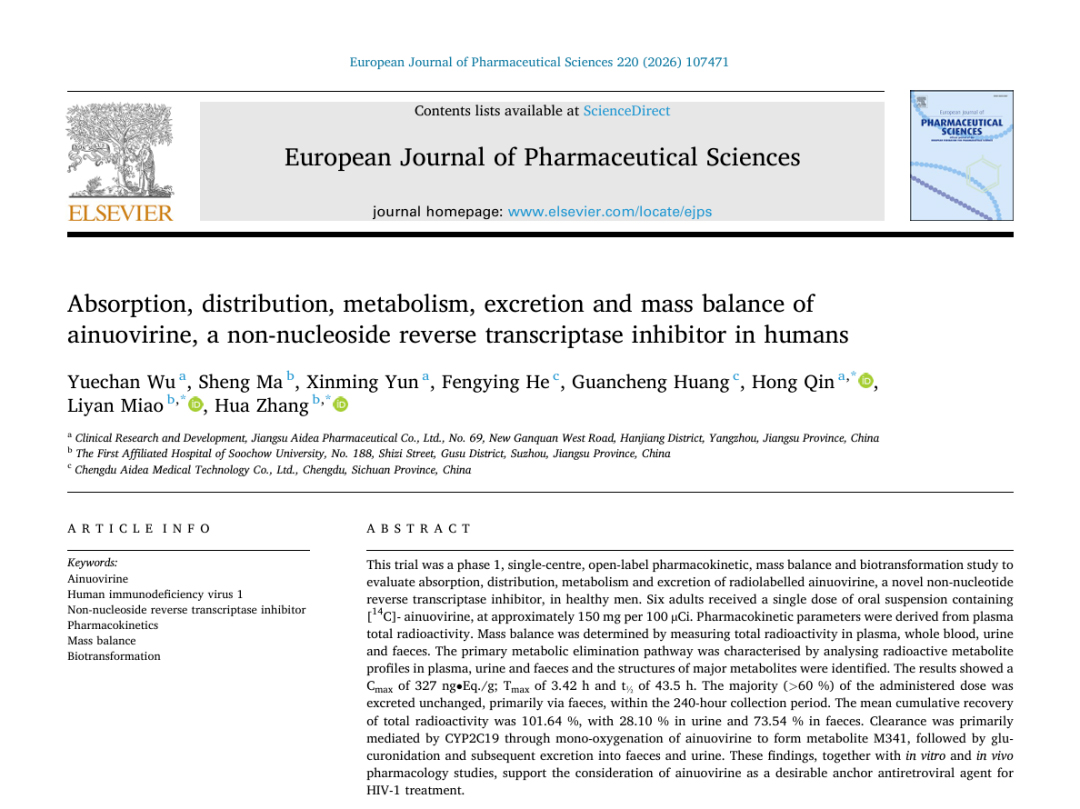
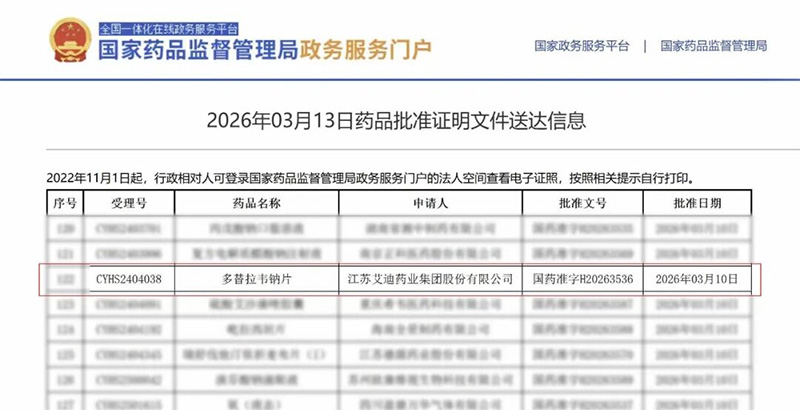
Recently, a multicenter real-world study led by Professor Liang Ke and Professor Wang Chunmei's team from the Department of Infectious Diseases at Zhongnan Hospital of Wuhan University was published in the prestigious international journal Antimicrobial Agents and Chemotherapy (JCR Q1, SCI Impact Factor: 4.5).
This study represents the first systematic evaluation of the 48-week efficacy and safety of switching from an Efavirenz (EFV) regimen to an Ainuovirine (ANV) regimen in treatment-experienced HIV-infected patients with virological suppression. Results indicate that the ANV regimen maintains virological suppression while offering significant advantages in weight management and lipid metabolism, providing high-quality real-world evidence for optimizing long-term antiviral therapy.
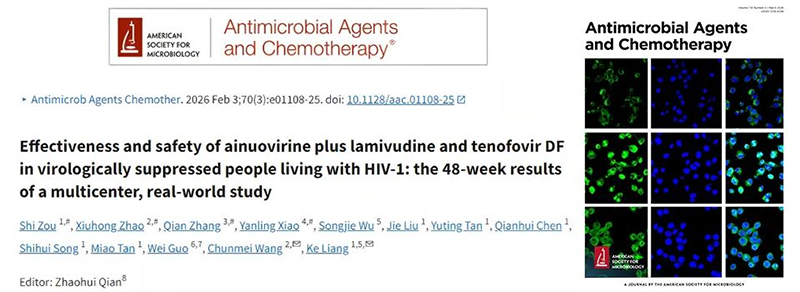
The study enrolled 350 virologically suppressed HIV-infected patients: 170 switched to the Ainuovirine + 3TC/TDF regimen (ANV group), and 180 continued the Efavirenz + 3TC/TDF regimen (EFV group). All patients completed a 48-week follow-up observation. The study results [1] showed that:
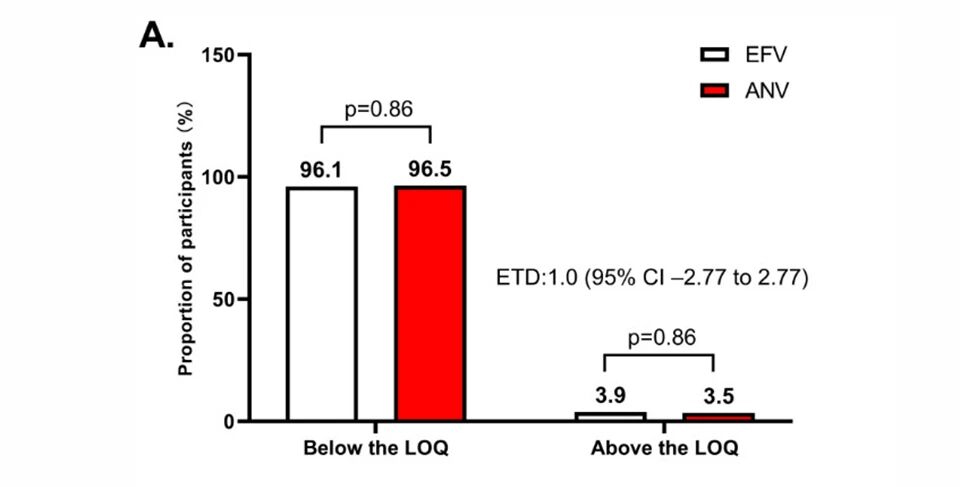
The ANV regimen achieved durable and stable virological suppression, meeting non-inferiority criteria. At Week 48, the virological suppression rate was 96.5% in the ANV group and 96.1% in the EFV group. The difference between the groups met the predefined non-inferiority margin (-10%). No genotypic resistance events were observed in either group, confirming that ANV can consistently maintain virological suppression in a real-world setting.
Comparable immune recovery was observed between the two groups. No significant differences were observed between the two groups in changes to CD4⁺ T-cell counts or the CD4⁺/CD8⁺ ratio at Week 48. This suggests that switching to an Ainuovirine regimen does not hinder immune reconstitution, ensuring long-term therapeutic benefits.
Significant Metabolic Benefits: Superior Weight Control and Improved Lipid Profile. Metabolic safety was a primary highlight of this study. In terms of weight management, patients in the ANV group saw a weight increase of only 0.04 kg at Week 48, significantly lower than the 0.83 kg increase in the EFV group, with a mean difference of 0.79 kg (P < 0.01). This demonstrates that the Ainuovirine regimen has a minimal impact on body weight. Lipid profile improvements were equally notable: the ANV group experienced a decrease in total cholesterol (0.33 mmol/L), triglycerides (0.88 mmol/L), and low-density lipoprotein (0.26 mmol/L), all significantly outperforming the EFV group. The study further suggests that these advantages in weight control and lipid improvement are sustained with the Ainuovirine regimen, carrying important clinical significance for the long-term cardiovascular health management of HIV-infected patients.
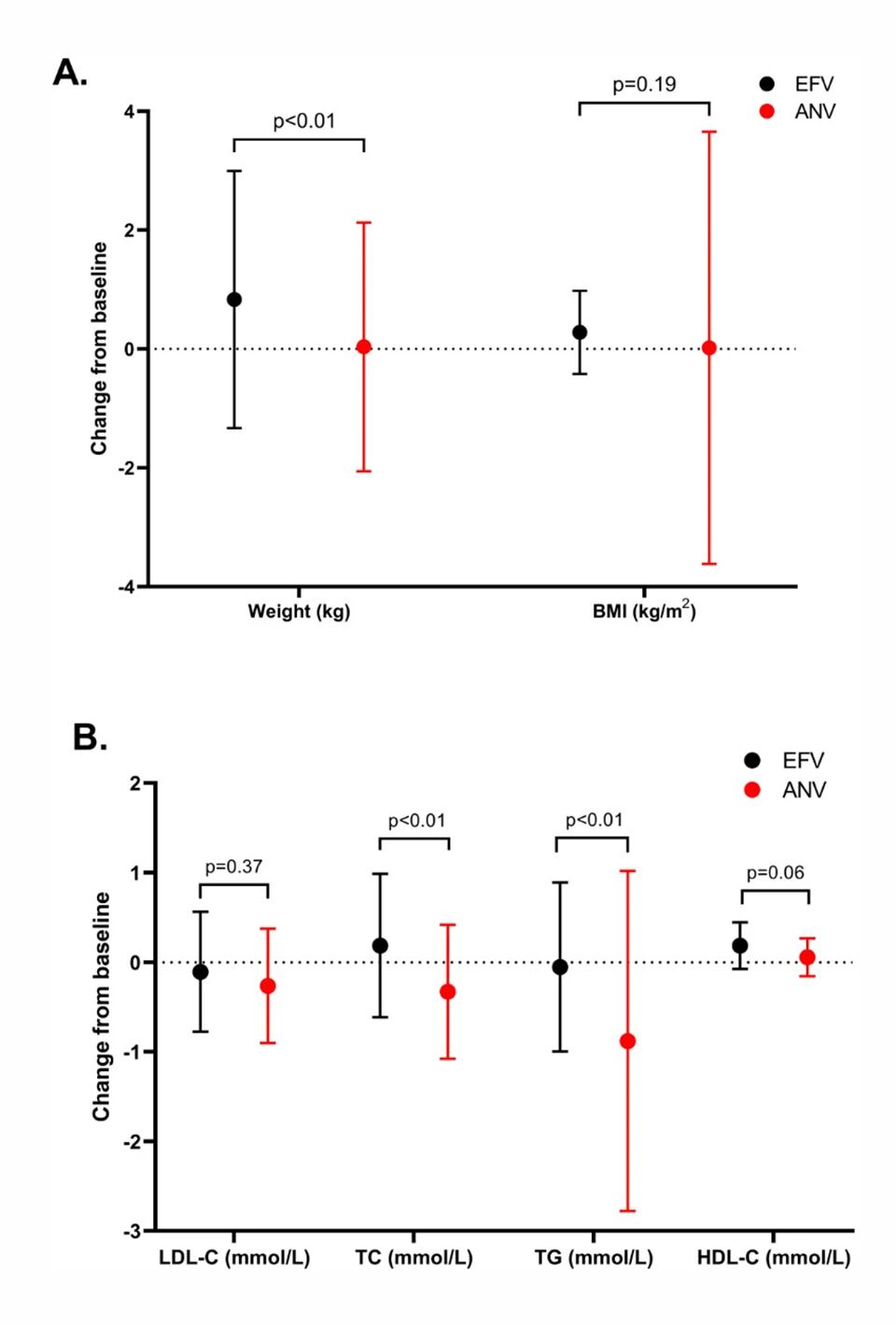
Stable liver and kidney function with a favorable safety profile was observed. During the 48-week follow-up, liver function (ALT, AST) and kidney function indicators remained stable in two groups, showing no clinically significant differences. The ANV regimen demonstrated favorable long-term safety and tolerability.
As antiviral therapy enters the era of long-term management, metabolic safety has emerged as a critical consideration for optimizing treatment strategies. This study confirms that ANV, a next-generation non-nucleoside reverse transcriptase inhibitor (NNRTI), offers a superior long-term treatment option by maintaining viral suppression with minimal impact on body weight and lipid profiles.
Aligning with the SPRINT study and previous real-world studies, these findings further strengthen the evidence-based data for the ANV regimen in treatment-experienced patients. For HIV-infected individuals at metabolic risk or those concerned with weight management, the ANV regimen is expected to become an important option for treatment optimization.
References
Zou S, Zhao X, Zhang Q, et al. Effectiveness and safety of ainuovirine plus lamivudine and tenofovir DF in virologically suppressed people living with HIV-1: the 48-week results of a multicenter, real-world study. Antimicrob Agents Chemother. 2026;70(3):e01709-25. doi:10.1128/aac.01709-25